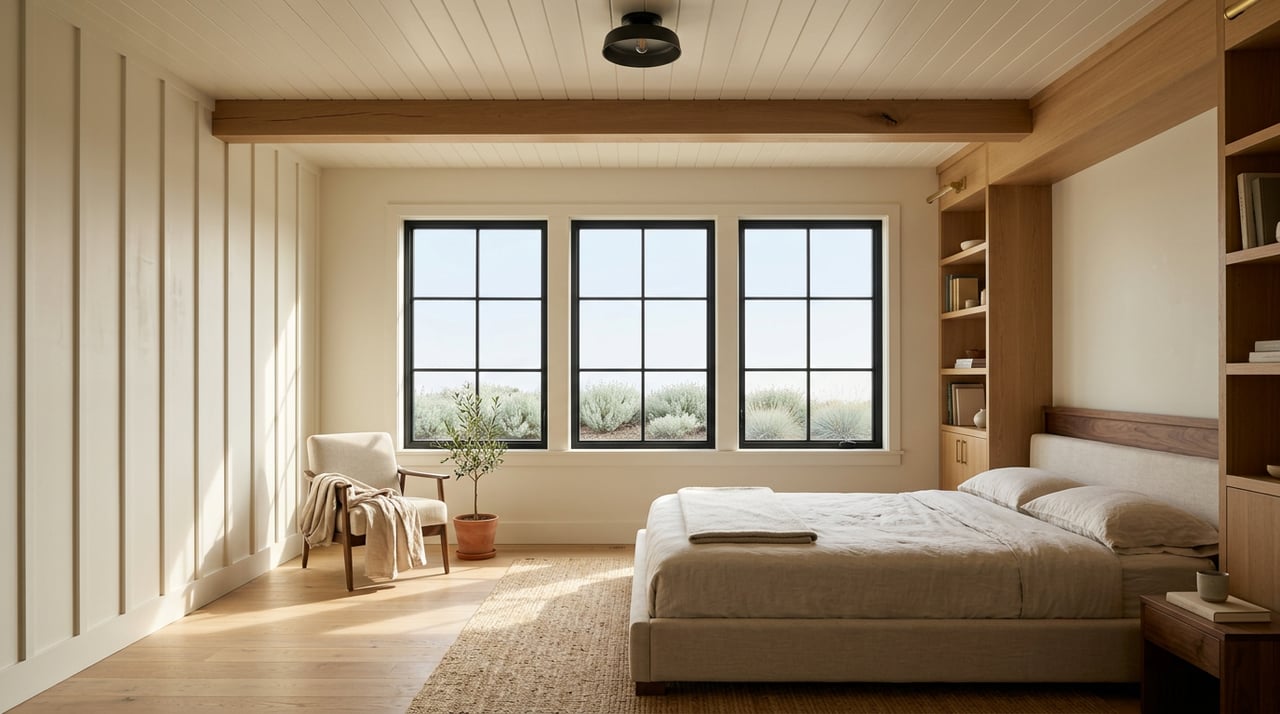
The Brasada Ranch Rental Question That Has Three Separate Answers
August 13, 2026
August 13, 2026
"Can I rent this place out when we're not here?"
That question comes up on almost every Brasada Ranch showing somewhere between the golf-course view and the offer. Most buyers treat it like a single yes-or-no question, the kind you can settle by skimming the HOA fee and asking your agent for a thumbs up. It isn't one question. It's three, and they come from three separate authorities that don't check with each other before answering.
Crook County decides whether you owe a tax on the stay. The resort decides whether the reservation runs through its own registration system. And the specific sub-neighborhood your lot sits in decides whether renting is allowed at all, regardless of what the other two say. A buyer can clear the first two gates without any trouble and still get stopped cold by the third, because the third gate lives in paperwork most people don't think to request until after they've already picked a lot.
| Gate | Who decides | What it actually controls |
|---|---|---|
| County tax registration | Crook County Finance Office | Whether the stay owes 8.5% lodging tax and gets filed monthly |
| Resort registration | The Club at Brasada Ranch | Whether the guest stay is recorded through the resort's own system |
| Sub-neighborhood covenant | The CC&Rs attached to your specific homesite | Whether short-term renting is permitted on that lot in the first place |
The first two gates are compliance. You fill out the paperwork, you pay what's owed, you move forward. The third gate is the one that can end the plan entirely, and it's the one buyers are least likely to go looking for on their own.
Crook County treats a rented Brasada home the same way it treats a cabin in town or a room over a Main Street storefront in Prineville. Any stay of fewer than 30 consecutive nights owes an 8.5% Transient Lodging Tax, collected from the guest and turned over to the county. Owners have to register with the county within 15 days of starting to rent, display the Certificate of Authority they're issued, and file a return with payment by the 15th of the following month.
There's one exemption worth knowing about specifically because it doesn't help Brasada owners the way it might elsewhere in the county: stays inside Prineville's city limits are carved out of this tax. Brasada sits in unincorporated Crook County near Powell Butte, well outside that boundary, so the exemption never applies. Every short stay at a Brasada address owes the full 8.5%, no matter how the listing is worded or where the booking comes from.
This gate is annoying but predictable. It never says no. It just says pay and file.
The resort's own rental inventory, the cabins and suites Brasada manages directly, runs on its own registration system, separate from anything the county requires. Listings for those units describe a formal process: guests fill out a Brasada Ranch Short-Term Rental registration form, and the resort charges a fee for last-minute bookings or for any changes made to a submitted form after the fact. That's a real operational system with its own penalties, not a courtesy step.
Here's where buyers get confused. A privately owned custom home is not automatically part of that resort-operated pool. If you buy a custom home planning to rent it independently, you're not plugging into the resort's existing cabin program. You're setting up your own rental under the resort's registration rules, which is a different conversation than the one a cabin buyer has. We walked through the cost side of that distinction, cabin versus custom home, in an earlier piece on what your money actually buys at Brasada Ranch. The rental side has its own separate wrinkle, which is the gate below.
Brasada isn't one property with one set of rules. It's a collection of named sub-neighborhoods, each carrying its own architectural identity and its own covenant language, layered underneath the master HOA document that most buyers see first. That master document tells you about gated security and road maintenance. It does not necessarily tell you whether your specific lot can be rented out.
Some of these sub-neighborhoods are well known by name to anyone who has spent time on the property: The Highlands, a run of 87 homesites climbing the Powell Buttes with sweeping views toward the Cascades. Ironwood, a tight collection of just 13 homesites built around a single mountain-modern architectural language. Sage Canyon, where the resort's own furnished cabin inventory sits. The Westside, 125 homesites backing directly onto BLM land with private trail access for riders and hikers.
At least one of these enclaves settles the rental question before you ever get to the resort's registration form or the county's tax office.
The Treehouses neighborhood at Brasada does not permit short-term rentals. It isn't a matter of paperwork or fees. It's a flat no, written into that neighborhood's own governing documents, and it applies no matter what the master HOA or the resort's booking system would otherwise allow.
That's the case a spreadsheet buyer needs to see clearly. You can run every number on carrying costs, expected nightly rate, and management fees, and none of it matters if the lot you're underwriting sits inside a sub-association that has already said no to the entire premise.
If rental income is part of the plan, the sequence most buyers follow, price first, HOA fee second, rental question last, has the order backwards. The sub-neighborhood covenant is the fastest way to eliminate options, so it belongs early in the search, not late.
A more useful order looks like this:
Doing this in the opposite order, closing first and asking questions about rental permission afterward, is how buyers end up owning a home in a neighborhood like Treehouses that was never going to work for their plan in the first place. The covenant runs with the land. It doesn't care when you found out about it.
Does the master HOA fee cover the resort's rental registration? No. The Master HOA fee covers gated security, road maintenance, and shared common areas. Resort registration for short-term guests is a separate system with its own forms and fees, and it applies whether or not your HOA dues are current.
If I register with the county, do I still need to register with the resort? Yes, both. The county tax registration and the resort's guest registration answer different questions. One is about tax collection. The other is about who is allowed on the property and how the resort tracks it. Clearing one doesn't clear the other.
What if I already closed and then found out my sub-neighborhood doesn't allow rentals? The covenant applies regardless of when you learn about it. That's exactly why this question belongs in the offer stage, with the specific sub-association's rental language in hand, rather than something you discover after move-in when the plan is already built around rental income that isn't going to happen.
If you're weighing a rental play at Brasada Ranch, or just trying to figure out which sub-neighborhood fits what you actually want to do with the property, Jessica Lay and The Lay Group track these covenant differences neighborhood by neighborhood, not just resort-wide. Reach out before you write the offer, not after, and if you're deciding whether to sell an existing Central Oregon property to fund the move, ask about a free home valuation while you're at it.
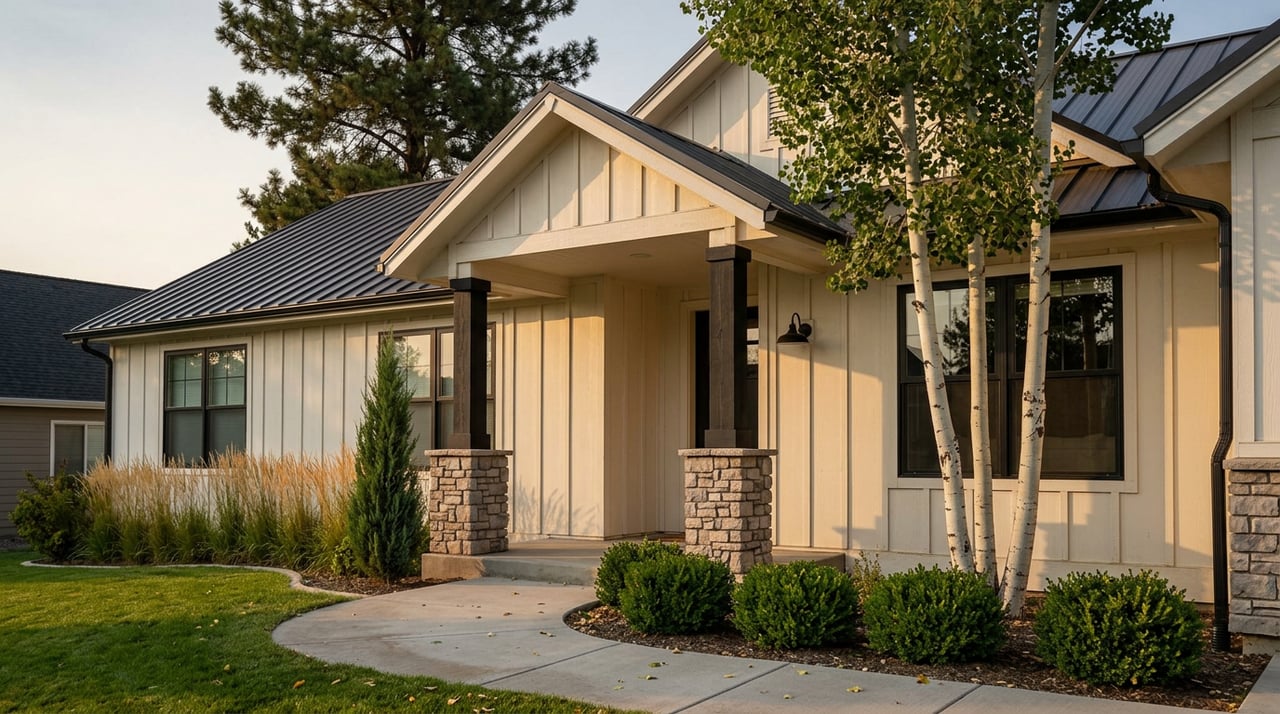
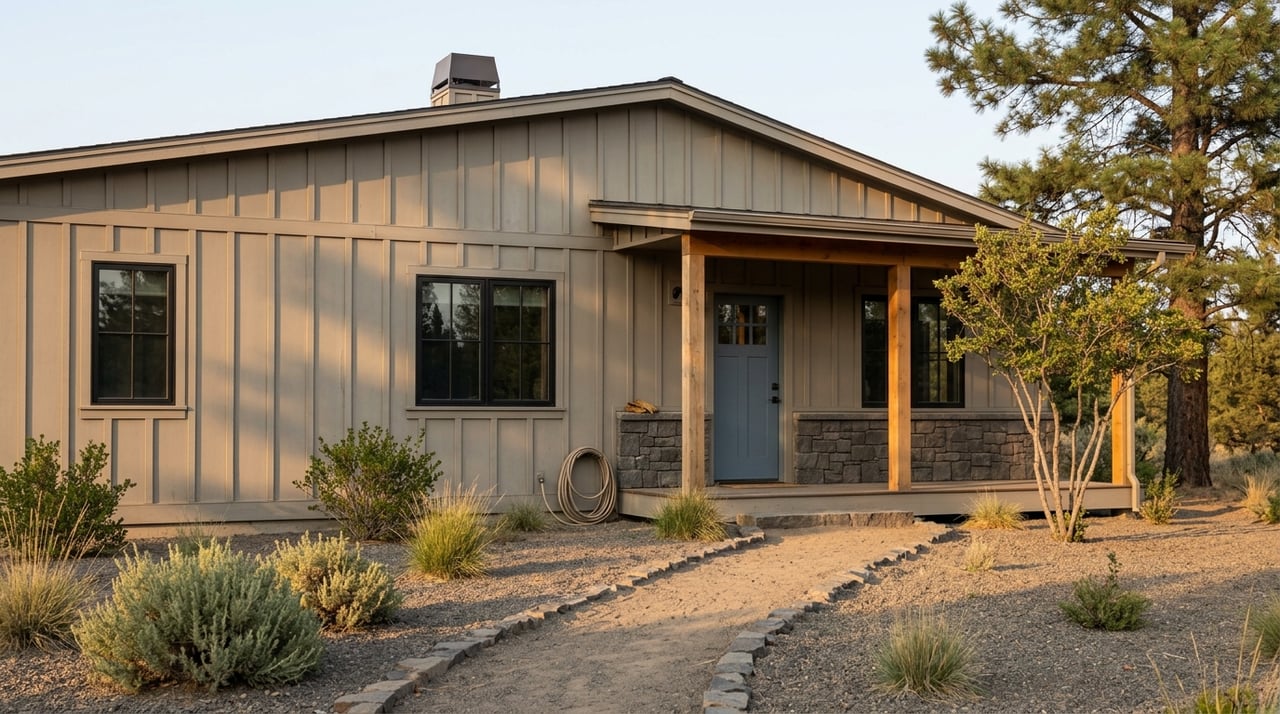
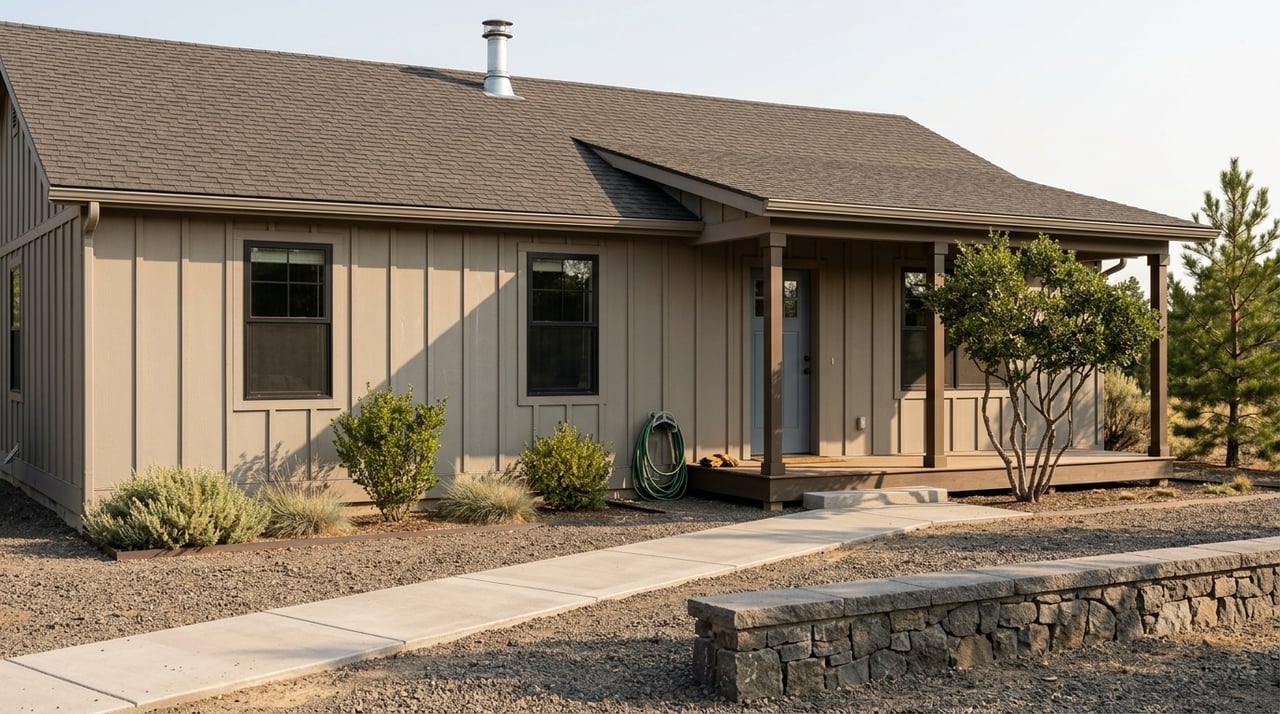
Whether you're buying, selling, or investing in Central Oregon, The Lay Group is committed to providing expert guidance, local market knowledge, and personalized service every step of the way. Let's turn your real estate goals into reality.
The Lay Group
JESSICA LAY
(541) 228-8272
[email protected]
ADDRESS 342 NW MEYERS BUTTE RD POWELL BUTTE, OR 97753